How to Eat Well When Life Is Busy
Aug 20, 2026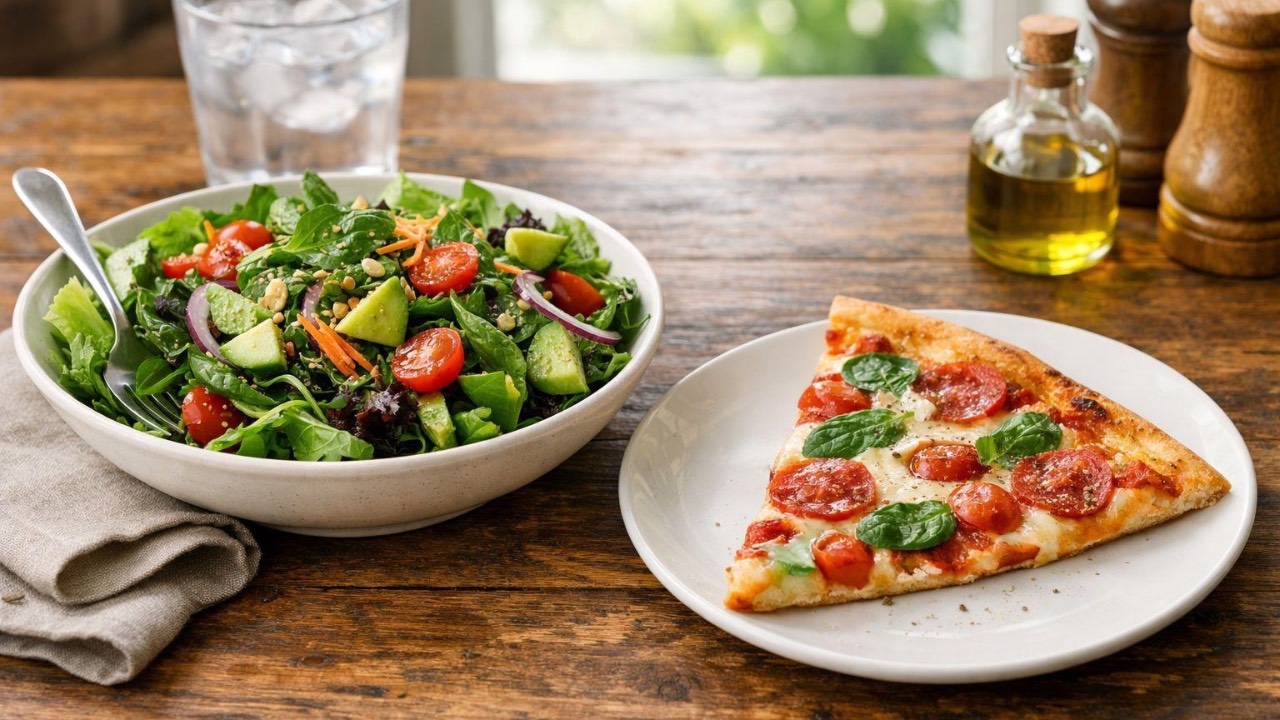
Eating feels easy when life is easy. When you don’t have the mental load of thinking about finances, planning, cooking, work or simply finding the time.
It’s probably one of the reasons people often find eating well easier when they’re on holidays. Suddenly there’s more time to think about meals, move your body and make choices without having ten other things competing for your attention.
But real life doesn’t look like that.
So, how do you eat well when life is busy?
Stop chasing perfection
Let’s start with not looking at every eating opportunity as a chance to do it the “best”, “healthiest” or least packaged way possible. Because let’s be real, sometimes packaged and convenient food is exactly what we need to be able to eat.
Eating well doesn’t mean making perfect meals. It doesn’t mean everything needs to be homemade, Instagram-worthy or expensive.
More often than not, it’s about making smart choices, having some sort of plan and choosing options that realistically fit the time and energy you have available.
Keep your meals simple
This could look like tinned fish with vegetables and potatoes, or grabbing a frozen meal from the freezer aisle.
One of my personal favourites is throwing a frozen pizza in the oven, grabbing a bagged salad and putting the two together on a plate. Is it the most exciting nutrition advice you’ve ever heard? Probably not. But you’ve suddenly turned a very easy convenience food into a more balanced meal without making dinner from scratch.
Sometimes simple eating is much more realistic and achievable than creating complex, Instagram-worthy meals.
For someone else, keeping it simple might mean meal prepping at the beginning of the week and eating according to that plan. There isn't one right way to do it. Whatever it looks like for you, keeping food simple usually makes eating well much more sustainable when life gets busy.
Don’t skip meals
And I mean it, if you can avoid it, don’t.
Skipping meals often means you arrive at the next eating opportunity absolutely starving. At that point, it becomes much harder to make an intentional choice because your body is asking for energy right now.
You may find yourself eating more than you otherwise would have, or reaching for the quickest option available; which isn't necessarily a bad food, but may not give you the energy or nutrition you actually need.
Eating regularly throughout the day can make a huge difference.
Snack strategically
Which brings me to snacks.
In practical terms, this means not regularly allowing yourself to get to the point where you are STARVING. Eating something every two to three hours works really well.
And snacks don't need to look the same every day.
Some days you might want something lower volume and energy dense, like nuts. Other days you might want something higher volume, like fruit with yoghurt. Your appetite, schedule and energy needs change from day to day, so your snacks can too.
The important part is using snacks strategically to help keep you fuelled rather than waiting until hunger has completely taken over.
So, Emma, how do we actually build a meal?
This is where I like to keep things really simple.
Rather than weighing and measuring everything, I often teach people to use their own hands as a rough guide for building a balanced plate.
Start with roughly a palm-sized portion of protein, add a cupped handful of carbohydrates, around two handfuls of vegetables, and include some fats; whether that's avocado, oil, cheese, nuts, seeds or a sauce.
It doesn't have to be exact. That's actually the point.
This is general advice and the amounts will absolutely change depending on the person. Athletes, people with higher energy requirements and those managing particular medical conditions may need a very different plate.
But as a starting point, it's an easy way to think about building meals without turning eating into another complicated task.
Give yourself time to actually change
Finally, whatever nutrition journey you're on, have realistic expectations about how quickly you're going to change your habits.
On paper, all of this sounds really easy.
But changing how you eat isn't like deciding you'll go to the gym a couple of times this week. We’re potentially talking about changing breakfast, lunch, dinner, snacks, shopping, preparation and the way you think about food; every day, for an extended period of time.
That's a lot.
So be realistic with yourself about how much you can change at once.
Start with the things that will make the biggest difference. Allow room for convenience. Allow room for fun foods. And accept that eating well doesn't have to look perfect every day for it to be doing something good for you.
Because ultimately, the best nutrition plan isn't the one that looks the healthiest on paper.
It's the one that actually works when your life gets busy.
Stay connected with news and updates!
Get expert tips, practical resources, and supportive advice for everything from fussy eating and ARFID to building a healthy relationship with food, managing weight, and fuelling your body with confidence. Subscribe now to get exclusive content delivered straight to your inbox.
We hate SPAM. We will never sell your information, for any reason.